
Supply Chain Management Diploma: Courses, Co-op, and Career Paths
Every product has a journey before it reaches a customer. Materials must be sourced, orders processed, stock managed, and shipments delivered. Supply chain management brings these activities together so organizations can plan effectively and keep their operations moving.
A supply chain management diploma introduces the business skills behind purchasing, inventory, operations, and logistics. This guide explains what students typically learn, how co-op experience can complement classroom study, and the career paths where supply chain knowledge is useful.

What is supply chain management?
Supply chain management coordinates the movement of products, information, and resources between suppliers, businesses, and customers. It includes choosing suppliers, planning inventory, organizing production, arranging transportation, and monitoring deliveries.
Consider a retailer preparing for a busy season. The purchasing team orders products from suppliers, operations staff plan storage and staffing, and logistics teams coordinate arrivals and deliveries. The work of each team affects the others, which makes communication and accurate information important throughout the process.
Supply chain professionals help different departments work together while balancing timing, product availability, costs, and customer expectations. The field combines analytical tasks with practical coordination and relationships.
What do you study in a supply chain management diploma?
Most supply chain diplomas introduce three connected areas: procurement, operations, and logistics. They often add business communication, accounting, data analysis, management, and project coordination. This combination helps students understand individual tasks as well as the full process.
Procurement and supplier management
Procurement is the process of obtaining products and services that an organization needs. Students learn how businesses evaluate suppliers, compare quotes, create purchase orders, and manage supplier relationships.
In an entry-level purchasing role, common tasks might include updating supplier records, tracking orders, checking invoices, and communicating delivery schedules. Learning the procurement process helps students understand how purchasing decisions affect quality, timing, and cost.
Operations and inventory management
Operations covers how businesses organize work and use resources. Topics can include inventory control, workflow planning, capacity, quality, and process improvement. Students learn to identify where delays occur and how teams can coordinate activities more effectively.
For example, accurate inventory records help a business know when products need replenishment. An operations assistant might update a spreadsheet, review stock discrepancies, or prepare information for colleagues responsible for planning.
Logistics and transportation
Logistics focuses on storing and moving goods. Coursework can introduce warehousing, transportation choices, shipping documents, distribution networks, and coordination with carriers.
Practical tasks might include scheduling deliveries, tracking shipments, organizing documentation, or informing customers about order status. The work requires careful attention to detail and communication between multiple parties.
Business analytics, communication, and project skills
Students in logistics and supply chain management diploma programs also benefit from understanding spreadsheets, business correspondence, teamwork, and basic financial information. Those skills support reporting, planning, recordkeeping, and coordination across departments.
For example, a purchasing team may use spreadsheet reports to identify frequently ordered items or compare spending patterns. The numbers become more useful when someone can explain them clearly and help colleagues decide what actions to take.
How co-op experience supports supply chain learning
Some supply chain diploma programs include a co-op work term. A co-op gives students an opportunity to apply academic knowledge while working in a related environment. It can also help students become familiar with professional communication, workplace expectations, and the day-to-day responsibilities of different teams.
Co-op activities vary by employer and student experience. Responsibilities may involve purchasing administration, inventory records, shipping and receiving support, customer service, or general operations coordination. These tasks can connect directly to the subjects studied in class.
Schools may provide support with resume preparation, interview practice, employer information sessions, and placement administration. Students typically take part in applications and interviews, while employers decide which candidates fit available opportunities.
When reviewing a co-op program, look at the work-term length, the kind of preparation provided, how placements are approved, and what support students receive during their workplace experience. These details help explain how classroom learning and practical experience fit together.
What careers can a supply chain diploma prepare you for?
Supply chain skills appear across many business functions. Graduates may explore entry-level and support roles in several areas, depending on their skills, past experience, and employer needs.
- Purchasing and procurement support: maintaining supplier information, helping process orders, and tracking deliveries.
- Inventory and warehouse coordination: recording stock movements, supporting receiving and shipping, and preparing inventory reports.
- Logistics and transportation support: scheduling shipments, updating tracking information, and coordinating with carriers.
- Order management and customer service: processing orders, answering delivery questions, and helping resolve fulfillment issues.
- Operations and reporting support: organizing data, updating spreadsheets, and assisting teams with planning activities.
These positions provide exposure to how supply chains function in real businesses. With experience and continued learning, professionals may move into more specialized procurement, operations, logistics, or management responsibilities.
Which industries use supply chain skills?
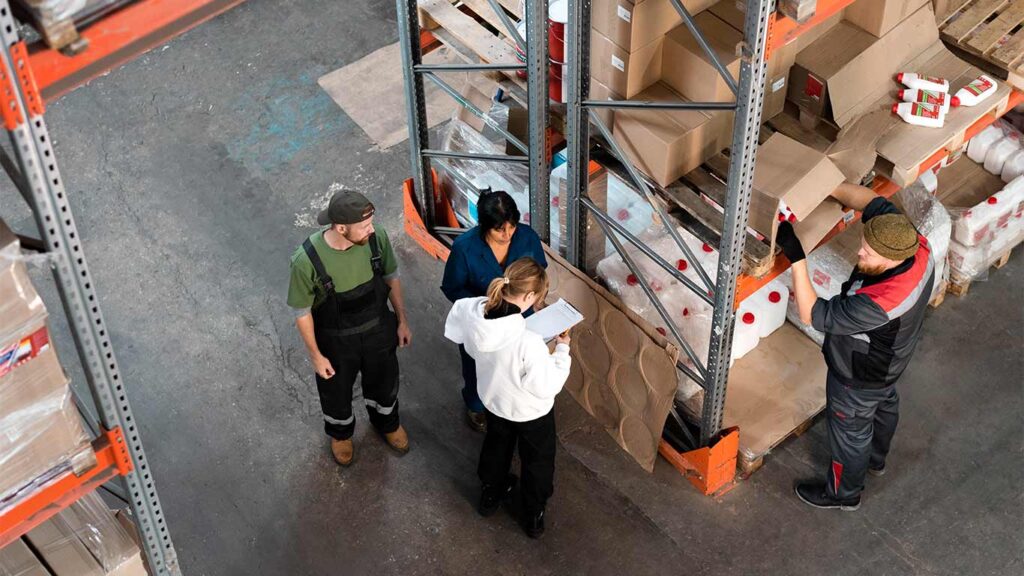
Supply chain work extends across industries. Retailers and e-commerce businesses must plan inventory and fulfill orders. Manufacturers depend on materials arriving when needed and finished products reaching customers. Wholesale distributors coordinate large volumes of products and deliveries.
Transportation companies, warehouses, food suppliers, health care organizations, and construction businesses also manage purchasing and logistics activities. Although the products and processes differ, many of the underlying business skills are transferable.
This variety can appeal to students who enjoy business and problem-solving but are still deciding which industry or department interests them most.
Technology and data in modern supply chains
Digital tools help businesses monitor inventory, process purchases, track shipments, and analyze operational performance. Many workplaces use spreadsheets alongside inventory, warehouse management, or enterprise software.
A supply chain employee may need to check data accuracy, identify patterns, and summarize information for other team members. For example, stock reports can help a business plan future orders, while shipment records can help teams coordinate delivery schedules.
Understanding how information moves between departments is increasingly useful. Technical skills work alongside communication, judgment, and the ability to collaborate when circumstances change.

How to choose a supply chain management diploma
Program length, subject coverage, and practical experience can vary. Review the curriculum to see whether it builds a foundation in procurement, operations, and logistics, and whether it includes supporting subjects such as analytics, accounting, and professional communication.
Consider the learning format and the time involved. A diploma offers a broader introduction to several parts of the supply chain, while certificates and professional designations typically address different learning needs or stages of career development.
If a program includes co-op, understand how the academic and workplace terms are scheduled. Ask how the school prepares students for the work term, what responsibilities might be relevant to the curriculum, and what they can expect during placement.
Admissions requirements also differ. Some programs accept students with secondary-school qualifications, while advanced programs may require previous post-secondary education or work experience. Check the requirements for the particular credential rather than assuming they are the same across schools.
Studying supply chain management in Canada
Students considering a supply chain management diploma in Canada should review program location, course schedule, tuition, admission requirements, and any applicable study permit conditions. For international students, required work placements and permission to work outside class may be subject to immigration rules.
The federal rules for required post-secondary work placements changed in April 2026 for certain eligible students, but participation still depends on the conditions of the student’s status and program. Post-Graduation Work Permit eligibility is also program- and institution-specific. Consult current Immigration, Refugees and Citizenship Canada guidance for any work authorization decisions.
A school can explain its program structure and admissions documents, while government sources provide the official immigration requirements. Together, this information can help students plan a realistic study timeline.

Frequently Asked Questions (FAQ)
What can you do with a supply chain management diploma?
A supply chain management diploma can help prepare students for entry-level support roles in purchasing, inventory, warehousing, transportation, logistics, order management, and operations. Specific opportunities depend on experience and employer requirements.
What subjects are included in a supply chain diploma?
Programs commonly teach procurement, operations, and logistics, along with supporting business skills such as accounting, communication, spreadsheet analysis, and project management.
Does a supply chain diploma include co-op?
Some diplomas include a supervised work term that allows students to apply course knowledge in a workplace. The duration, placement process, and available roles depend on the program and employers.
How long does a supply chain management diploma take?
The length varies by institution, course schedule, and whether a co-op term is included. Check the program's total duration, scheduled breaks, academic hours, and work-term requirements.
Do I need previous experience to study supply chain management?
Many introductory diploma programs are designed for students starting in the field, although some advanced credentials have additional requirements. Review the specific school's academic and English admissions criteria.
Is supply chain management a good field to study?
It can suit students who enjoy organization, problem-solving, working with information, and coordinating with others. The skills are relevant to businesses across retail, manufacturing, transportation, distribution, and other industries.
Explore the next step
A supply chain management diploma can provide a foundation in how products, people, and information move through a business. Comparing course content, co-op structure, and student support will help you find a learning experience that matches your interests and goals.
If you're interested in studying procurement, operations, and logistics in Vancouver and want to see how VanWest College structures its training, visit the Supply Chain Management Co-op Diploma program page for its curriculum, admission requirements, and current schedule.
Register Now